


Tanzania National Parks offer a lot to the adventure safari lovers, probably more than any other destination in Africa. Tanzania has set aside 40% of it’s land for fauna and flora conservation. Northern Tanzania in particular, is one of the most inspiring Safari circuits in Africa with breathtaking scenery, lush vegetation, vast and stunning Savannah with exotic wildlife diversity and abundance.
National Parks
Click on a national park in the list below to learn more.
Arusha National Park
Arusha National Park
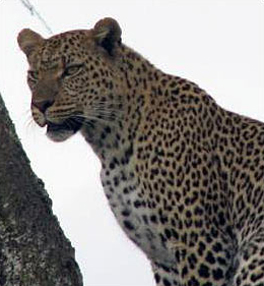
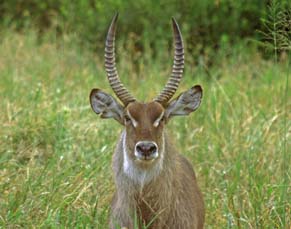
The entrance gate leads into shadowy montane forest inhabited by inquisitive Blue monkeys and colourful turacos and trogons – the only place on the northern safari circuit where the Black-and-White Colobus Monkey is easily seen. Further north, rolling grassy hills enclose the tranquil beauty of the Momela Lakes, each one a different hue of green or blue. Their shallows sometimes tinged pink with thousands of flamingos, the lakes support a rich selection of resident and migrant water-fowl, and shaggy waterbucks display their large lyre-shaped horns on the watery fringes. Giraffes glide across the grassy hills, between grazing zebra herds, while pairs of wide-eyed dik-dik dart into scrubby bush like overgrown hares on spindly legs.
It is also at dusk and dawn that the veil of cloud on the eastern horizon is most likely to clear, revealing the majestic snow-capped peaks of Kilimanjaro, 50km (30 miles) distant.
But it is Kilimanjaro’s unassuming cousin, Mount Meru–the fifth highest in Africa at 4566 metres above sea level (14990 feet) – that dominates the park’s horizon. Its peaks and eastern footslopes protected within the national park, Meru offers unparalleled views of its famous neighbor, while also forming a rewarding hiking destination in its own right.
The entrance gate leads into shadowy montane forest inhabited by inquisitive Blue monkeys and colourful turacos and trogons – the only place on the northern safari circuit where the Black-and-White Colobus Monkey is easily seen. Further north, rolling grassy hills enclose the tranquil beauty of the Momela Lakes, each one a different hue of green or blue. Their shallows sometimes tinged pink with thousands of flamingos, the lakes support a rich selection of resident and migrant water-fowl, and shaggy waterbucks display their large lyre-shaped horns on the watery fringes. Giraffes glide across the grassy hills, between grazing zebra herds, while pairs of wide-eyed dik-dik dart into scrubby bush like overgrown hares on spindly legs.
It is also at dusk and dawn that the veil of cloud on the eastern horizon is most likely to clear, revealing the majestic snow-capped peaks of Kilimanjaro, 50km (30 miles) distant.
But it is Kilimanjaro’s unassuming cousin, Mount Meru–the fifth highest in Africa at 4566 metres above sea level (14990 feet) – that dominates the park’s horizon. Its peaks and eastern footslopes protected within the national park, Meru offers unparalleled views of its famous neighbor, while also forming a rewarding hiking destination in its own right.
- Location: 335km (208 miles) from Arusha, stretching north to Kenya and bordering Lake Victoria to the west
- What to do: Hot-air balloon safaris, game viewing. Visit neighbouring Lake Victoria and Olduvai Gorge
- Best seasons to visit:
- December–June to see the wildebeest migration
- June–October to see resident animals and predators (however, mid-March/April is the peak of the rain season)
- Learn more
Mount Meru (Arusha National Park)
Gombe Stream National Park
Katavi National Park
Katavi National Park
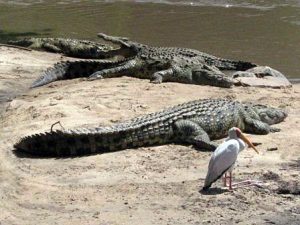
The bulk of Katavi supports a hypnotically featureless cover of tangled brachystegia woodland, home to substantial but elusive populations of the localised eland, Sable and Roan antelopes.
But the main focus for game viewing within the park is the Katuma River and associated floodplains such as the seasonal lakes Katavi and Chada. During the rainy season, these lush, marshy lakes are a haven for myriad water birds, and they also support Tanzania’s densest concentrations of hippo and crocodile.
It is during the dry season, when the flood waters retreat, that Katavi truly comes into its own. The Katuma, reduced to a shallow, muddy trickle, forms the only source of drinking water for miles around, and the flanking floodplains support game concentrations that defy belief.
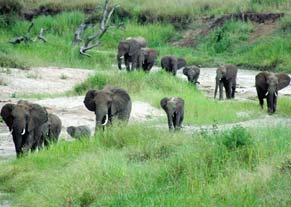
An estimated 4000 elephants might converge on the area, together with several herds of 1000-plus buffalo, while an abundance of giraffe, zebra, impala and reedbuck provide easy pickings for the numerous lion prides and spotted hyena clans whose territories converge on the floodplains.
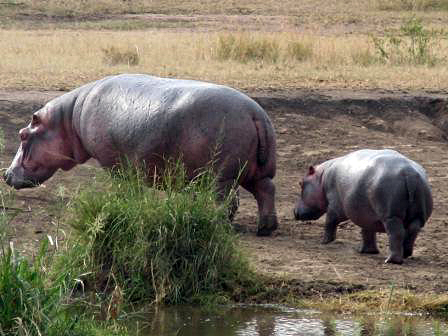
Katavi’s most singular wildlife spectacle is provided by its hippos. Towards the end of the dry season, up to 200 individuals might flop together in any riverine pool of sufficient depth.
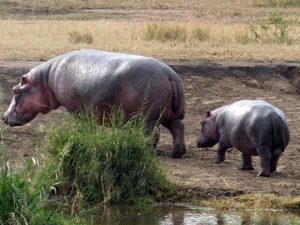

The bulk of Katavi supports a hypnotically featureless cover of tangled brachystegia woodland, home to substantial but elusive populations of the localised eland, Sable and Roan antelopes.
But the main focus for game viewing within the park is the Katuma River and associated floodplains such as the seasonal lakes Katavi and Chada. During the rainy season, these lush, marshy lakes are a haven for myriad water birds, and they also support Tanzania’s densest concentrations of hippo and crocodile.
It is during the dry season, when the flood waters retreat, that Katavi truly comes into its own. The Katuma, reduced to a shallow, muddy trickle, forms the only source of drinking water for miles around, and the flanking floodplains support game concentrations that defy belief.
An estimated 4000 elephants might converge on the area, together with several herds of 1000-plus buffalo, while an abundance of giraffe, zebra, impala and reedbuck provide easy pickings for the numerous lion prides and spotted hyena clans whose territories converge on the floodplains.
Katavi’s most singular wildlife spectacle is provided by its hippos. Towards the end of the dry season, up to 200 individuals might flop together in any riverine pool of sufficient depth.
- Location: Southwest Tanzania, east of lake Tanganyika. The headquarters at Sitalike lie 40km (25 miles) south of Mpanda town
- What to do: Walking, driving and camping safaris. Near lake Katavi. Visit the Tamarind Tree inhabited by the spirit of the legendary hunter Katavi (for whom the park is named). Offerings are still left here by locals seeking the spirit’s blessing
- Best time: The dry season (May-october). Roads within the park are often flooded during the rainy season but may be passable from mid December to February
- Learn more
Hiking Mount Kilimanjaro’s Lower Slopes
Kitulo National Park
Kitulo National Park
Locals refer to the Kitulo Plateau as Bustani Ya Mungu -The garden of God - while botanist have dubbed it the Serengeti of flowers, host to “one of the great floral spectacles of the world." Tanzania’s newest national park is indeed a rare botanical marvel, home to a full 350 species of vascular plants. One of the most important watersheds for the Great Ruaha River, Kitulo is also the first national park in tropical Africa to be gazetted largely for its floral significance- not only a multitude of orchids, but also the stunning yellow-orange Redhot Poker and a variety of Aloes, Proteas, geraniums, giant Lobelias, lilies and Aster daisies, of which more than 30 species are endemic to southern Tanzania.
Big game is sparsely represented, but Kitulo – a botanist and hiker’s paradise – is also highly alluring to bird-watchers.
Locals refer to the Kitulo Plateau as Bustani Ya Mungu -The garden of God - while botanist have dubbed it the Serengeti of flowers, host to “one of the great floral spectacles of the world." Tanzania’s newest national park is indeed a rare botanical marvel, home to a full 350 species of vascular plants. One of the most important watersheds for the Great Ruaha River, Kitulo is also the first national park in tropical Africa to be gazetted largely for its floral significance- not only a multitude of orchids, but also the stunning yellow-orange Redhot Poker and a variety of Aloes, Proteas, geraniums, giant Lobelias, lilies and Aster daisies, of which more than 30 species are endemic to southern Tanzania.
Big game is sparsely represented, but Kitulo – a botanist and hiker’s paradise – is also highly alluring to bird-watchers.
- Location: Southern Tanzania. The temporary park headquarters at Matamba are situated approximately 100km (60 miles from Mbeya town)
- What to do: Good hiking trails exist and will soon be developed into a formal trail system. Open walking across the grasslands to watch birds and wildflowers. Hill climbing on the neighbouring ranges. A half-day hike from the park across the Livingstone Mountains leads to the sumptuous Matema Beach on Lake Nyasa
- Best time: Wildflower and orchid displays are peak between December and April. The sunnier months of September to November are more comfortable for hiking but less rewarding to botanists. Conditions are cold and foggy from June to August
- Learn more
Lake Manyara National Park
Lake Manyara National Park
The compact game –viewing circuit through Manyara offers a virtual microcosm of the Tanzanian safari experience. From the entrance gate, the road winds through an expanse of lush jungle like groundwater forest where hundred-strong baboon troops lounge nonchalantly along the roadside, Blue monkeys scamper nimbly between the ancient Mahogany trees, dainty Bushbuck tread warily through the shadows, and outsized forest hornbills honk in the high canopy.
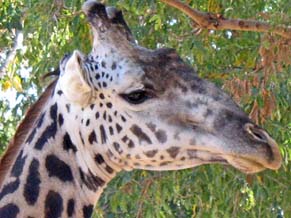
Contrasting with the intimacy of the forest is the grassy floodplain and its expansive views eastward across the Alkakine Lake. Large buffalo, wildebeest and zebra herds congregate on these grassy plains, as do giraffes some so dark in coloration that they appear to be black from a distance.
Manyara provides the perfect introduction to Tanzania’s birdlife. More than 400 species have been recorded, and even a first-time visitor to Africa might reasonably expect to observe 100 of these in one day. Highlights include thousands of pink-hued flamingos on their perpetual migration, as well as other large waterbirds such as pelicans, cormorants and storks.
The compact game –viewing circuit through Manyara offers a virtual microcosm of the Tanzanian safari experience. From the entrance gate, the road winds through an expanse of lush jungle like groundwater forest where hundred-strong baboon troops lounge nonchalantly along the roadside, Blue monkeys scamper nimbly between the ancient Mahogany trees, dainty Bushbuck tread warily through the shadows, and outsized forest hornbills honk in the high canopy.
Contrasting with the intimacy of the forest is the grassy floodplain and its expansive views eastward across the Alkakine Lake. Large buffalo, wildebeest and zebra herds congregate on these grassy plains, as do giraffes some so dark in coloration that they appear to be black from a distance.
Manyara provides the perfect introduction to Tanzania’s birdlife. More than 400 species have been recorded, and even a first-time visitor to Africa might reasonably expect to observe 100 of these in one day. Highlights include thousands of pink-hued flamingos on their perpetual migration, as well as other large waterbirds such as pelicans, cormorants and storks.
- Location: The entrance gate lies 1.5 hours (126km/80 miles) west of Arusha along a newly surfaced road, close to the ethnically diverse market town of Mto Wa Mbu.
- What to do: Game drives and night game drives, cultural tours, mountain bike outside the park, walking safari inside the park.
- Best time: Dry season (July-October) for large mammals; wet season (November-June) for bird watching, the waterfalls and canoeing.
- Learn more
Mahale Mountains National Park
Ngorongoro Crater
Ngorongoro Crater
The Ngorongoro Crater is only 3% of the total area of Ngorongoro Conservation Area (NCA), but it is home to more than 75% of all the game animals found in NCA. Technically known as a caldera, Ngorongoro crater is the largest unflooded and unbroken caldera in the world with 19.2 km in diameter, 2000 feet deep, and 102 sq miles in area. The rich pasture and permanent water of the crater floor supports a large resident population of wildlife of up to 25,000 predominantly grazing animals. These include wildebeest, zebra, buffalo, kongoni, gazelle, warthog and eland. The swamps and forest provide additional resources for hippo, elephant, waterbuck, reedbuck, and bushbuck, baboons and Vervet monkeys. The steep inner slopes provide habitat for dik-dik and the rare Mountain reedbuck.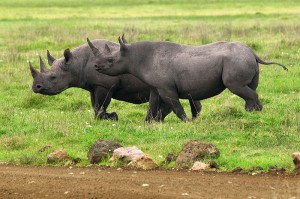
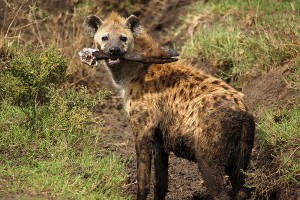
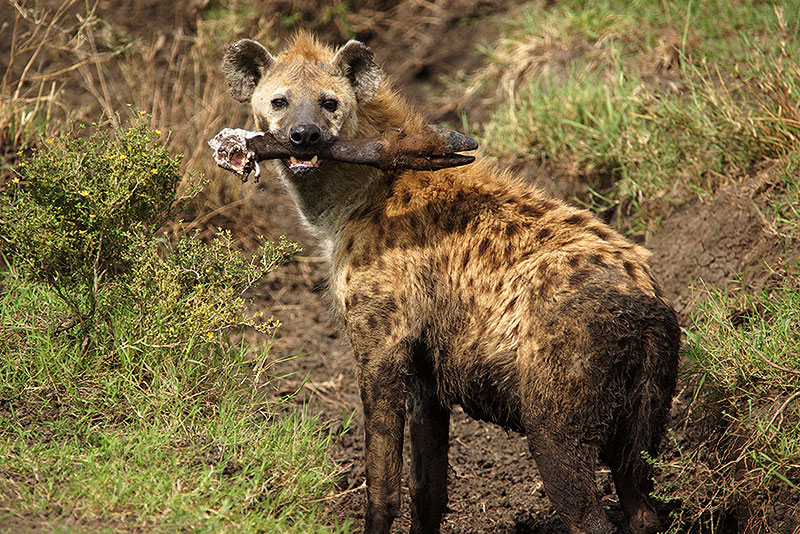
Jackals thrive in the crater and bat-eared foxes live in the short grass area. Predatory animals such as lion, leopard, cheetah and serval cats live off the abundant wildlife; and large packs of hyenas roam the crater, making their own kills and scavenging from others. The crater is a dynamic and constantly changing ecosystem and the numbers and proportion of some animals including lions and Black rhinos have fluctuated considerably over the past 30 years. Thanks to anti-poaching patrols in the crater and the whole ecosystem, the Black rhino population is coming back. Ngorongoro crater is one of the few places in East Africa where visitors can see a rhino. [learn more]
The Ngorongoro Crater is only 3% of the total area of Ngorongoro Conservation Area (NCA), but it is home to more than 75% of all the game animals found in NCA. Technically known as a caldera, Ngorongoro crater is the largest unflooded and unbroken caldera in the world with 19.2 km in diameter, 2000 feet deep, and 102 sq miles in area. The rich pasture and permanent water of the crater floor supports a large resident population of wildlife of up to 25,000 predominantly grazing animals. These include wildebeest, zebra, buffalo, kongoni, gazelle, warthog and eland. The swamps and forest provide additional resources for hippo, elephant, waterbuck, reedbuck, and bushbuck, baboons and Vervet monkeys. The steep inner slopes provide habitat for dik-dik and the rare Mountain reedbuck.
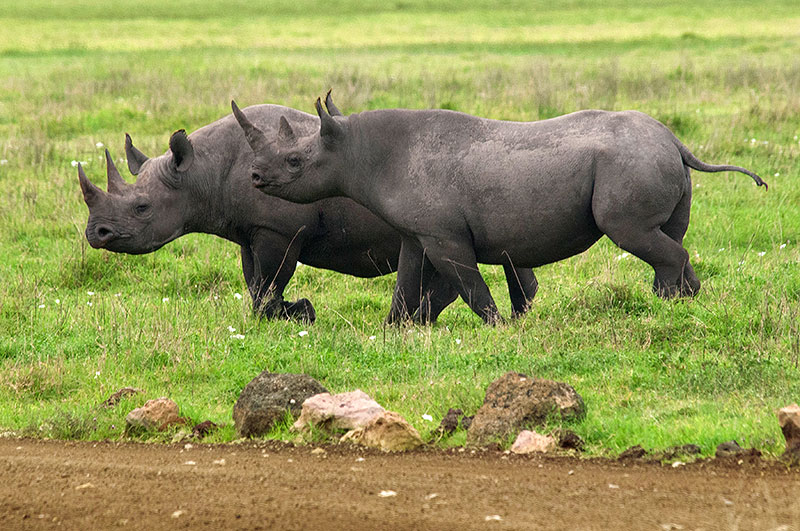
Jackals thrive in the crater and bat-eared foxes live in the short grass area. Predatory animals such as lion, leopard, cheetah and serval cats live off the abundant wildlife; and large packs of hyenas roam the crater, making their own kills and scavenging from others. The crater is a dynamic and constantly changing ecosystem and the numbers and proportion of some animals including lions and Black rhinos have fluctuated considerably over the past 30 years. Thanks to anti-poaching patrols in the crater and the whole ecosystem, the Black rhino population is coming back. Ngorongoro crater is one of the few places in East Africa where visitors can see a rhino. [learn more]
Ngorongoro Crater (Day Trip)
Mikumi National Park
Mikumi National Park
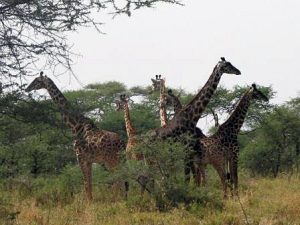
Mikumi National park abuts the northern border of Africa’s biggest game reserve – the Selous.
The open horizons and abundant wildlife of the Mkata Floodplain, the popular centre piece of Mikumi, draw frequent comparisons to the more famous Serengeti plains.
The Mkata floodplain is perhaps the most reliable place in Tanzania for sightings of the powerful eland, the world’s largest antelope. The equally impressive Greater kudu and Sable antelope haunt the Miombo covered foothills of the mountains that rise from the park’s borders. More than 400 bird species have been recorded.
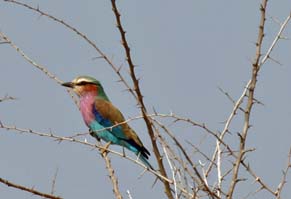
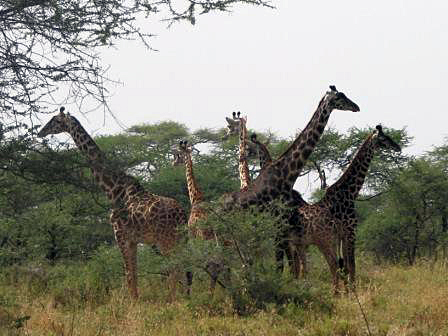
Mikumi National park abuts the northern border of Africa’s biggest game reserve – the Selous.
The open horizons and abundant wildlife of the Mkata Floodplain, the popular centre piece of Mikumi, draw frequent comparisons to the more famous Serengeti plains.
The Mkata floodplain is perhaps the most reliable place in Tanzania for sightings of the powerful eland, the world’s largest antelope. The equally impressive Greater kudu and Sable antelope haunt the Miombo covered foothills of the mountains that rise from the park’s borders. More than 400 bird species have been recorded.
- Size: 3,230 sq km (1,250 sq miles), the fourth-largest park in Tanzania, and part of a much larger ecosystem centred on the uniquely vast Selous Game Reserve
- Location: 283 km (175 miles ) west of Dar Es Salaam, north of Selous, and en route to Ruaha, Udzungwa and (for the intrepid) Katavi
- What to do: Game drives and guided walks. Visit nearby Udzungwa or travel on to Selous or Ruaha
- Best time: Accessible year round
- Learn more
Ruaha National Park
Ruaha National Park
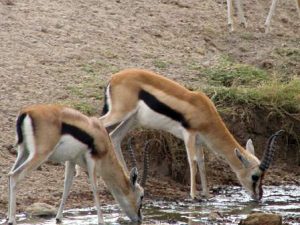
Ruaha protects a vast tract of the rugged, semi-arid bush country that characterises central Tanzania. Its lifeblood is the Great Ruaha River, where during the dry season Impala, Waterbuck and other Antelopes risk their life for a sip of life sustaining water. And the risk is considerable: not only from the prides of 20 plus Lion that lord over the Savannah, but also from the Cheetahs that stalk the open grassland and the Leopards that lurk in tangled riverine thickets. This impressive array of large predators is boosted by both Striped and Spotted Hyena, as well as several packs of the highly endangered African Wild Dog.
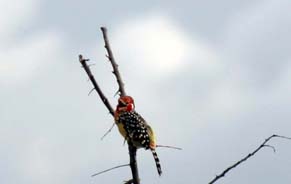
A similar quality is noted in the checklist of 450 birds: the likes of Crested Barbet, an attractive yellow-and- black bird whose persistent trilling is a characteristic sound of the southern bush occur in Ruaha alongside central Tanzanian endemics such as the yellow-collared Lovebird and Ashy Starling.

Ruaha protects a vast tract of the rugged, semi-arid bush country that characterises central Tanzania. Its lifeblood is the Great Ruaha River, where during the dry season Impala, Waterbuck and other Antelopes risk their life for a sip of life sustaining water. And the risk is considerable: not only from the prides of 20 plus Lion that lord over the Savannah, but also from the Cheetahs that stalk the open grassland and the Leopards that lurk in tangled riverine thickets. This impressive array of large predators is boosted by both Striped and Spotted Hyena, as well as several packs of the highly endangered African Wild Dog.
A similar quality is noted in the checklist of 450 birds: the likes of Crested Barbet, an attractive yellow-and- black bird whose persistent trilling is a characteristic sound of the southern bush occur in Ruaha alongside central Tanzanian endemics such as the yellow-collared Lovebird and Ashy Starling.
- Location: Central Tanzania, 128km (80miles) west of Iringa.
- What to do: Day walks or hiking safaris through untouched bush. Stone-age ruins at Isimila. Near Iringa, 120 km (75 miles) away, one of Africa’s most important historical sites.
- Best time: For predators and large mammals, dry season (mid-May-December); bird-watching, lush scenery and wildflowers, wet season (January-April).
- Learn more
Rubondo Island National Park
Rubondo Island National Park
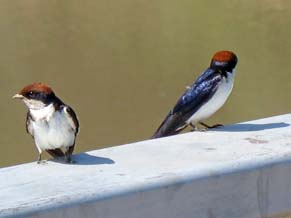
Rubondo Island is tucked in the southwest corner or Lake Victoria, the world’s second-largest lake, an inland sea sprawling between Tanzania, Uganda and Kenya. With eleven smaller islands under its wing, Rubondo protects precious fish breeding grounds. Tasty tilapia form the staple diet of the Yellow-spotted otters that frolic in the island’s rocky coves, while rapacious Nile perch, some weighing more than 100kg, tempt recreational game fishermen seeking world-record catches.
Rubondo is more than a water wonderland. Deserted sandy beaches nestle against a cloak of virgin forest, where dappled Bushbuck move fleet yet silent through a maze of tamarinds, wild palms, and sycamore figs strung with a cage of trailing taproots. The shaggy-coated aquatic sitatunga, elsewhere the most elusive of antelopes, is remarkably easily observed, not only in the papyrus swamps it normally inhabits, but also in the forest interior.
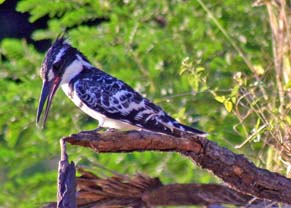
Birds are everywhere. Flocks of African grey parrots-released onto the island after they were confiscated from illegal exporters – screech in comic discord as they flap furiously between the trees. The azure brilliance of a Malachite kingfisher perched low on the reeds competes with the glamorous, flowing tail of a Paradise flycatcher as it flits through the lakeshore forest. Herons, storks and spoonbills proliferate in the swampy lake fringes, supplemented by thousands of Eurasian migrants during the northern winter. Scents of wild jasmine, 40 different orchids and a smorgasbord of sweet, indefinable smells emanate from the forest.
A number of indigenous mammal species- hippo, Vervet monkey, genet and mongoose – share their protected habitat with introduced species such as chimpanzee, Black-and-white colobus, elephant and giraffe, all of which benefit from Rubondo’s inaccessibility.
Rubondo Island is tucked in the southwest corner or Lake Victoria, the world’s second-largest lake, an inland sea sprawling between Tanzania, Uganda and Kenya. With eleven smaller islands under its wing, Rubondo protects precious fish breeding grounds. Tasty tilapia form the staple diet of the Yellow-spotted otters that frolic in the island’s rocky coves, while rapacious Nile perch, some weighing more than 100kg, tempt recreational game fishermen seeking world-record catches.
Rubondo is more than a water wonderland. Deserted sandy beaches nestle against a cloak of virgin forest, where dappled Bushbuck move fleet yet silent through a maze of tamarinds, wild palms, and sycamore figs strung with a cage of trailing taproots. The shaggy-coated aquatic sitatunga, elsewhere the most elusive of antelopes, is remarkably easily observed, not only in the papyrus swamps it normally inhabits, but also in the forest interior.
Birds are everywhere. Flocks of African grey parrots-released onto the island after they were confiscated from illegal exporters – screech in comic discord as they flap furiously between the trees. The azure brilliance of a Malachite kingfisher perched low on the reeds competes with the glamorous, flowing tail of a Paradise flycatcher as it flits through the lakeshore forest. Herons, storks and spoonbills proliferate in the swampy lake fringes, supplemented by thousands of Eurasian migrants during the northern winter. Scents of wild jasmine, 40 different orchids and a smorgasbord of sweet, indefinable smells emanate from the forest.
A number of indigenous mammal species- hippo, Vervet monkey, genet and mongoose – share their protected habitat with introduced species such as chimpanzee, Black-and-white colobus, elephant and giraffe, all of which benefit from Rubondo’s inaccessibility.
- Location: Northen Tanzania, 150 km (95 miles) west of Mwanza
- Getting there: By road from Mwanza and then boat transfer. Chartered flights from Mwaanza and Arusha
- What to do: Walking safaris, boat excursions, sport fishing, chimpanzee treks, plans for canoe trips
- Best time: Dry season, June-August, is best for wildflowers and butterflies. Wet season November-March. December-February is best for migratory birds
- Learn more
Serengeti National Park
Serengeti National Park
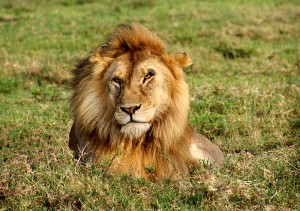
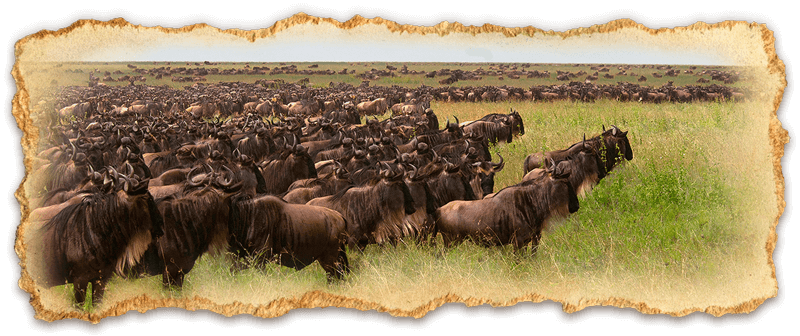
Tanzania’s oldest and most popular national park, also a World Heritage Site and also proclaimed a Worldwide Wonder, the Serengeti is famed for its annual migration, when some two million hooves pound the open plains, as more than 200,000 zebra and 300,000 Thomson’s gazelle join the wildebeest’s trek for fresh grazing. Yet even when the migration is quiet, the Serengeti offers arguably the most scintillating game-viewing in Africa: great herds of buffalo, smaller groups of elephant and giraffes, and hundreds upon hundreds of eland, topi, kongoni, impala and Grant's gazelle.
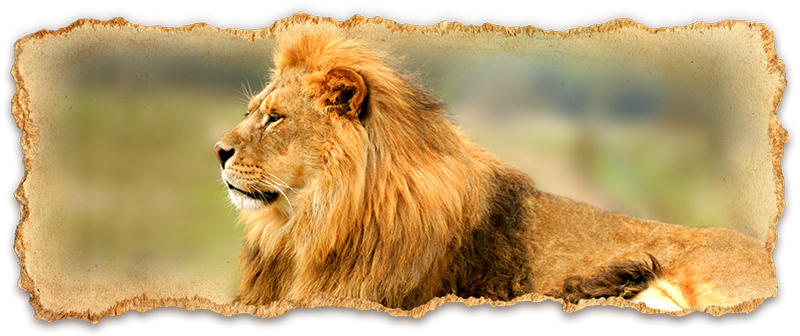
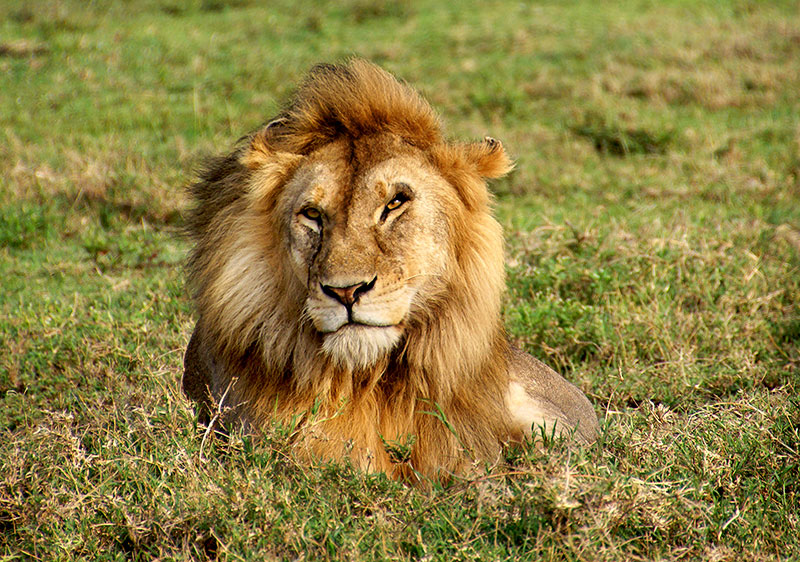
The spectacle of predators versus prey dominates Tanzania's greatest park. Golden–mained lion prides feast on the abundance of plain grazers. Solitary leopards haunt the Acacia trees lining the Seronera River, while high densities of cheetahs prowling the southeastern plains. Almost uniquely, all three African jackal species occur here, alongside the Spotted hyena and a host of more elusive small predators, ranging from the insectivorous aardwolf to the beautiful serval cat.
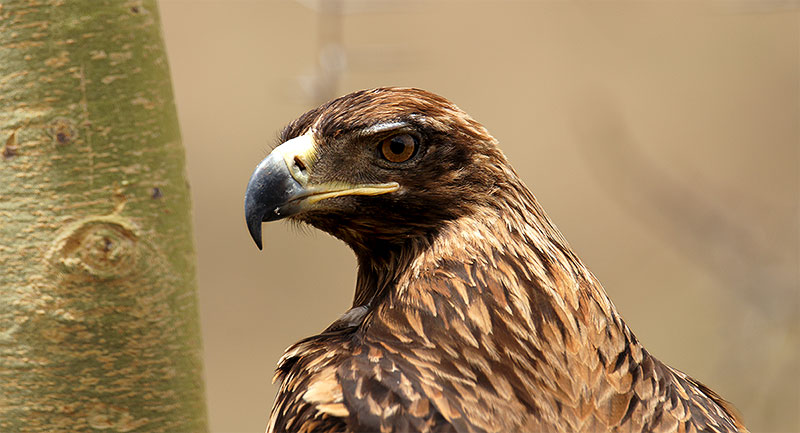
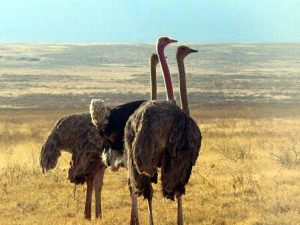
But there is more to Serengeti than large mammals. 500–plus bird species, ranging from the outsized ostrich and bizarre secretary bird of the open grass-land, to the Black eagles that soar effortlessly above the Lobo Hills.
Tanzania’s oldest and most popular national park, also a World Heritage Site and also proclaimed a Worldwide Wonder, the Serengeti is famed for its annual migration, when some two million hooves pound the open plains, as more than 200,000 zebra and 300,000 Thomson’s gazelle join the wildebeest’s trek for fresh grazing. Yet even when the migration is quiet, the Serengeti offers arguably the most scintillating game-viewing in Africa: great herds of buffalo, smaller groups of elephant and giraffes, and hundreds upon hundreds of eland, topi, kongoni, impala and Grant's gazelle.
The spectacle of predators versus prey dominates Tanzania's greatest park. Golden–mained lion prides feast on the abundance of plain grazers. Solitary leopards haunt the Acacia trees lining the Seronera River, while high densities of cheetahs prowling the southeastern plains. Almost uniquely, all three African jackal species occur here, alongside the Spotted hyena and a host of more elusive small predators, ranging from the insectivorous aardwolf to the beautiful serval cat.
But there is more to Serengeti than large mammals. 500–plus bird species, ranging from the outsized ostrich and bizarre secretary bird of the open grass-land, to the Black eagles that soar effortlessly above the Lobo Hills.
- Location: 335km (208 miles) from Arusha, stretching north to Kenya and bordering Lake Victoria to the west
- What to do: Hot-air balloon safaris, game viewing. Visit neighbouring Lake Victoria, Olduvai Gorge
- Best seasons to visit:
- December–June to see the wildebeest migration
- June–October to see resident animals and predators (however, mid-March/April is the peak of the rain season)
- Learn more
Central Serengeti
Western Serengeti
Ndutu Plains (Southern Serengeti)
Saadani National Park
Saadani National Park
Saadani is where the beach meets the bush. The only wildlife sanctuary in east Africa to boast an Indian Ocean beachfront, it possesses all the attributes that make Tanzania's tropical coastline and islands so popular with sun-worshippers. Yet it is also the one place where those idle hours of sunbathing might be interrupted by an elephant strolling past, or a lion coming to drink at the nearby waterhole!
Today a surprisingly wide range of grazers and primates is seen on game drives and walks, among them giraffe, buffalo, warthog, common waterbuck, reedbuck, hartebeest, wildebeest, Red duiker, Greater kudu, eland, Sable antelope, Yellow baboon and Vervet monkey. Herds of up to 30 elephants are encountered with increasing frequency, and several lion prides are resident along with leopard, Spotted hyena and Black-backed jackal.

Saadani is where the beach meets the bush. The only wildlife sanctuary in east Africa to boast an Indian Ocean beachfront, it possesses all the attributes that make Tanzania's tropical coastline and islands so popular with sun-worshippers. Yet it is also the one place where those idle hours of sunbathing might be interrupted by an elephant strolling past, or a lion coming to drink at the nearby waterhole!
Today a surprisingly wide range of grazers and primates is seen on game drives and walks, among them giraffe, buffalo, warthog, common waterbuck, reedbuck, hartebeest, wildebeest, Red duiker, Greater kudu, eland, Sable antelope, Yellow baboon and Vervet monkey. Herds of up to 30 elephants are encountered with increasing frequency, and several lion prides are resident along with leopard, Spotted hyena and Black-backed jackal.
- Location: On the north coast, roughly 100km (60 miles) northwest of Dar Es Salaam as the crow files and a similar distance southwest of the port of Tanga
- What to do: Game drives and guided walks. Boat trips. Visit Saadani fishing village, which lies within the reserve, where a collection of ruins pays testament to its 19th century heyday as a major trading port
- Best time: Generally accessible all-round, but the access roads are sometimes impassable during April and May. The best game-viewing is in January and February and June to August
- Learn more
Tarangire National Park
Tarangire National Park
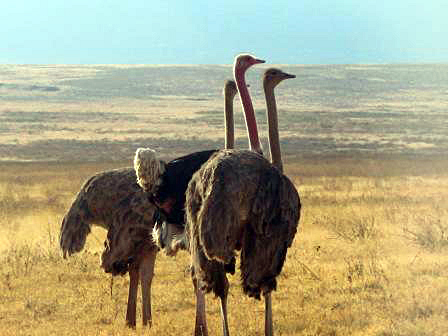
Herds of up to 300 elephants scratch the dry river bed for underground streams, while migratory wildebeest, zebra, buffalo, impala, gazelle, hartebeest and eland crowd the shrinking lagoons. It’s the greatest concentration of wildlife outside the Serengeti ecosystem – a buffet for predators. The swamps, tinged green year round, are the focus for 550 bird varieties, the most breeding species in one habitat anywhere in the world.
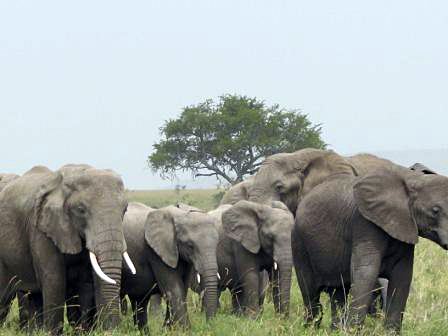
Herds of up to 300 elephants scratch the dry river bed for underground streams, while migratory wildebeest, zebra, buffalo, impala, gazelle, hartebeest and eland crowd the shrinking lagoons. It’s the greatest concentration of wildlife outside the Serengeti ecosystem – a buffet for predators. The swamps, tinged green year round, are the focus for 550 bird varieties, the most breeding species in one habitat anywhere in the world.
- Location: 118 km (75 miles) southewest of Arusha
- Getting there: Easy drive from Arusha or Lake Manyara following a surfaced road to within 7km (four miles) of the main entrance gate; can continue on to Ngorongoro Crater and the Serengeti
- What to do: Guided walking safaris; day trips to Maasai and Barabaig villages, as well as to the hundreds of ancient rock paintings in the vicinity of Kolo on the Dodoma Road
- Learn more
Tarangire National Park (Day Trip)
Udzungwa Mountains National Park
Udzungwa Mountains National Park
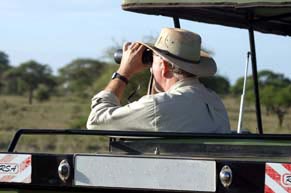
Udzungwa is the largest and most biodiverse of a chain of a dozen large forest-swathed mountains that rise majestically from the flat coastal scrub of eastern Tanzania. Known collectively as the Eastern Arc Mountains, this archipelago of isolated massifs has also been dubbed the African Galapagos for the treasure-trove of endemic plants and animals, most noteably the delicate African violet. Udzungwa alone among the ancient ranges of the Eastern Arc has been accorded national park status.
Not a conventional game viewing destination, Udzungwa is a magnet for hikers. An excellent network of forest trails includes the popular half-day ramble to Sanje Waterfall, which plunges 170 metres (550 feet) through a misty spray into the forested valley below. The more challenging two-night Mwanihana Trail leads to the high plateau, with its panoramic views over surrounding sugar plantations, before ascending to Mwanihana peak, the second-highest point in the range. Ornithologists are attracted to Udzungwa for an avian wealth embracing more than 400 species.
Udzungwa is the largest and most biodiverse of a chain of a dozen large forest-swathed mountains that rise majestically from the flat coastal scrub of eastern Tanzania. Known collectively as the Eastern Arc Mountains, this archipelago of isolated massifs has also been dubbed the African Galapagos for the treasure-trove of endemic plants and animals, most noteably the delicate African violet. Udzungwa alone among the ancient ranges of the Eastern Arc has been accorded national park status.
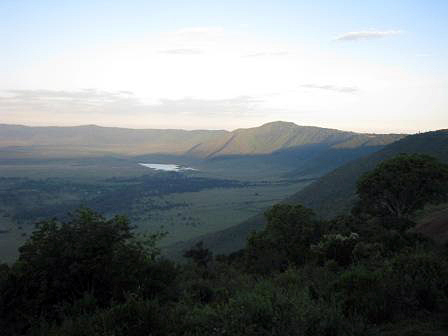
Not a conventional game viewing destination, Udzungwa is a magnet for hikers. An excellent network of forest trails includes the popular half-day ramble to Sanje Waterfall, which plunges 170 metres (550 feet) through a misty spray into the forested valley below. The more challenging two-night Mwanihana Trail leads to the high plateau, with its panoramic views over surrounding sugar plantations, before ascending to Mwanihana peak, the second-highest point in the range. Ornithologists are attracted to Udzungwa for an avian wealth embracing more than 400 species.
- Location: Five hours (350 km/215 miles) from Dar Es Salaam; 65 kms (40 miles) southwest of Mikumi
- Getting there: Drive from Dar es Salaam or Mikumi National Park
- What to do: Hike to the waterfall, or combine with nearby Mikumi or en route to Ruaha
- Best time: Possible year round although slippery in the rains, the dry season is June-October before the short rains but be prepared for rain any-time
- Learn more
Places of Interest
Click on a place of interest in the list below to learn more.
Walking Safari in Lake Manyara (Hiking Escape)
Mara River Area
Nature Walk (adjacent Lake Manyara)
Nature Walking Highlands Forest Ngorongoro
Olduvai Gorge Museum
Laetoli and Olduvai Gorge Museum

Laetoli is found west of Ngorongoro Crater. It is here where hominid footprints are preserved in volcanic rock 3.6 million years old and represent some of the earliest signs of mankind in the world. Excavation, mainly by the archaeologists Louis and Mary Leakey, yielded four different kinds of hominid, showing a gradual increase in brain size and in the complexity of their stone tools. The first skull of Zinjanthropus, commonly known as the "Nutcracker Man”, who lived about 1.75 million years ago was found here. [learn more]
Laetoli is found west of Ngorongoro Crater. It is here where hominid footprints are preserved in volcanic rock 3.6 million years old and represent some of the earliest signs of mankind in the world. Excavation, mainly by the archaeologists Louis and Mary Leakey, yielded four different kinds of hominid, showing a gradual increase in brain size and in the complexity of their stone tools. The first skull of Zinjanthropus, commonly known as the "Nutcracker Man”, who lived about 1.75 million years ago was found here. [learn more]
A Hike Down to the Zinj Site
The Great Rift Valley
The Great Migration
Local Culture
Click on a cultural destination in the list below to learn more.
Coffee Plantation and Garden Walk
Datoga People
Farmers Market
“Hunter Gatherers” Hadzabe People
Iraqw Tribe
Lake Victoria
Maasai Village
Maasai Village
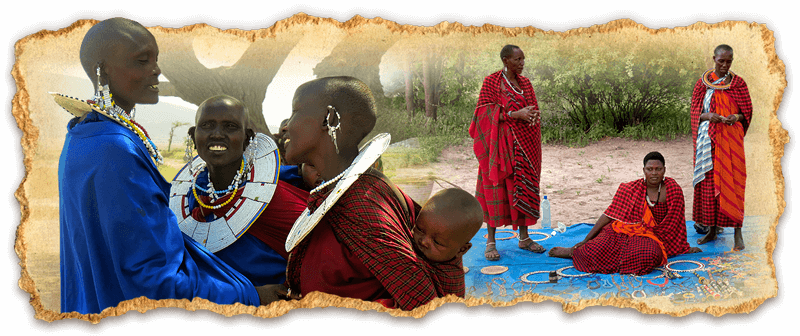
The traditional Maasai Village is called a Manyata. This is where different Maasai families live with their livestock. The Livestock live in the middle of thick Acacia thorny fences that protect them from any possible predator attacks. The visit to these villages give guests an opportunity to learn the lifestyle of Maasai people including their culture and tradition. [learn more]
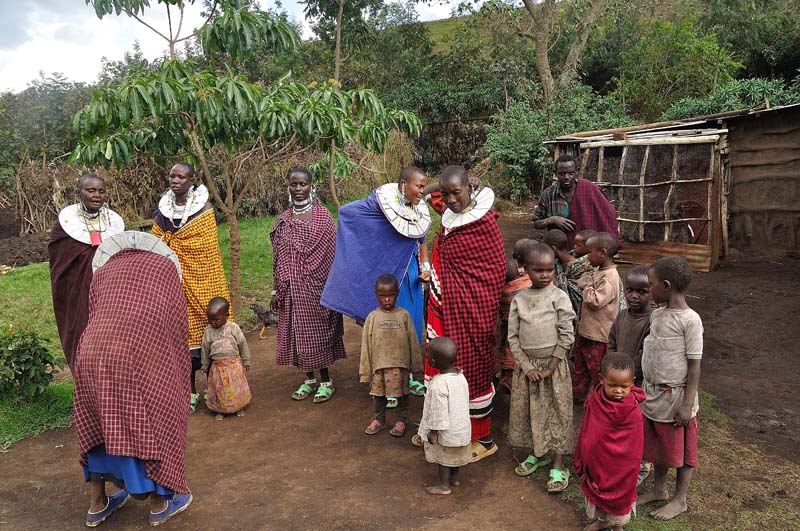
The traditional Maasai Village is called a Manyata. This is where different Maasai families live with their livestock. The Livestock live in the middle of thick Acacia thorny fences that protect them from any possible predator attacks. The visit to these villages give guests an opportunity to learn the lifestyle of Maasai people including their culture and tradition. [learn more]
Makonde Tribe
Village Walk